
Both spellings are floating around online, and honestly, that’s where most of the confusion starts. Bougie is the older, more traditional spelling, borrowed straight from the French word bourgeois. Boujee showed up later as a phonetic, internet-friendly twist, made famous by hip-hop culture and one very catchy song.
So which one’s “correct”? Neither is technically wrong. Bougie leans more formal and traditional, while boujee feels modern slang, casual, and built for social media. If you’re writing something semi-professional, go with bougie. If you’re texting a friend about someone’s new handbag, boujee fits right in.
The Origin of Bougie and Boujee

Let’s rewind a bit. The word traces back to bourgeois, a French word originally used to describe the middle class, particularly those who valued comfort, property, and a certain social standing. Over time, English speakers borrowed it and shortened it into bougie, using it to describe someone acting fancier or more upscale than their actual situation.
Then came the remix. As hip-hop and online culture grew louder, the word picked up a new coat of paint. Boujee emerged as a phonetic spelling, one that matched how people actually said the word out loud. It wasn’t about grammar rules anymore. It was about rhythm, sound, and vibe.
This shift is a perfect example of language evolution in real time. Words don’t just sit still. They bend, stretch, and get reshaped by the culture using them, and that’s exactly what happened here.
British vs American Usage
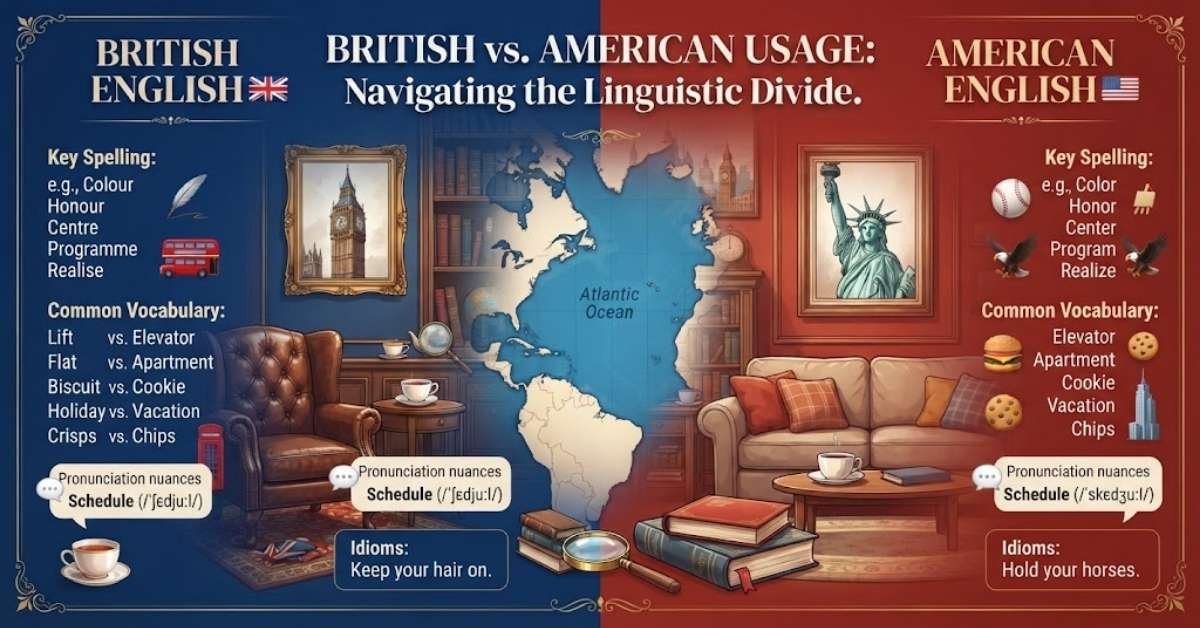
Here’s where things get a little regional. British English tends to stick closer to the traditional bougie spelling, if the word even comes up at all. It’s not nearly as common in everyday British conversation as it is across the pond.
American English, on the other hand, has fully embraced boujee. Thanks to American usage patterns, music, and social media trends, boujee has practically become the default spelling in casual American slang. You’ll see it in captions, comments, and yes, plenty of song lyrics.
Comparison Table
| Feature | Bougie | Boujee |
| Origin | French word “bourgeois” | Phonetic spelling of bougie |
| Common Region | British English, formal contexts | American English, casual speech |
| Tone | Slightly more traditional | Playful, modern slang |
| Common Use | Writing, semi-formal talk | Social media, music, texting |
| Popularity | Steady, older usage | Trending, especially post-2016 |
Which One Should You Use?

Honestly? It depends on your audience and your setting. If you’re writing a blog post, an email, or anything that leans semi-formal conversation, bougie reads cleaner and won’t raise eyebrows. It fits professional contexts without looking out of place.
But if you’re posting on Instagram, tweeting, or just chatting with friends, boujee feels more natural. It matches the tone of casual writing and informal American English that dominates most online spaces today.
There’s no strict rulebook here. Word choice in slang is flexible, and both spellings communicate the same core idea: someone (or something) acting fancy, upscale, or a little extra.
Common Mistakes With Bougie or Boujee
A lot of people trip up on this word, and it’s usually one of these slip ups:
- Using boujee in academic contexts or formal essays, where bougie or a proper synonym fits better.
- Assuming there’s only one “correct” spelling, when really it’s about context and tone.
- Mixing up the meaning entirely, using it to mean simply “rich” instead of pretentious or acting above one’s means.
- Forgetting the pronunciation is the same for both spellings, roughly “boo-jee,” even though the letters look different.
- Overusing it until it loses punch, kind of like calling everything “iconic.”
Avoiding these common mistakes makes your writing sound sharper and more intentional, whether you’re a student, blogger, or just someone who wants to sound like they know what they’re talking about.
Bougie or Boujee in Everyday Writing
Social Media / Casual
Scroll through any comment section and you’ll spot boujee everywhere. It’s practically part of the online culture vocabulary now. People use it to caption vacation photos, describe overpriced brunch spots, or gently roast a friend’s new shoes.
Pop Culture References
You can’t talk about this word without mentioning Migos and their massive hit “Bad and Boujee.” That song didn’t just top charts, it cemented the spelling boujee into mainstream pop culture and music culture for good. Before that track, plenty of people had never even seen the word written out.
Conversation / Informal
In actual spoken conversation, nobody’s checking spelling. Say it out loud with friends, and it just sounds like “boo-jee,” no matter which version you’d type later. That’s the beauty of informal English, it’s built on sound, not spelling rules.
Bougie vs Boujee – Google Trends & Usage Data
If you check Google Trends, there’s a clear story here. Boujee saw a massive spike in search trends right around the release of “Bad and Boujee” in late 2016, and it never really dropped back down to where it started. Bougie, meanwhile, has stayed fairly steady over the years, without the dramatic peaks.
This tells us something important about how search trends actually track culture. A single song, meme, or moment can shift how millions of people spell a word almost overnight. That’s the power of hip-hop culture merging with internet culture, and it’s why boujee now often outpaces bougie in raw search volume, even though bougie is technically the older, more established spelling.
Bougie or Boujee in Real-Life Examples
Picture this. Your coworker brings artisanal cold brew to the office every single day, in a glass bottle, with a handwritten label. That’s peak bougie behavior, harmless, a little extra, but not necessarily rude.
Now picture a friend who insists on splitting an Uber three ways because “it’s more sustainable,” but only takes rides in the luxury tier. That’s boujee energy, leaning into luxury-seeking behavior while still keeping one foot in middle-class aspirations.
These little moments are exactly why the word has stuck around. It captures something very specific, that mix of aspirational lifestyle and mild self-awareness that most of us have witnessed, or honestly, been guilty of ourselves.
Bougie or Boujee Meaning
At its core, the word describes someone or something that feels a bit fancier, pricier, or more upscale than necessary. It’s not always an insult. Sometimes it’s playful, sometimes it’s a compliment, and sometimes it’s a gentle jab at pretentious behavior.
Bougie or Boujee Urban Dictionary
Search this term on Urban Dictionary and you’ll find dozens of entries, most agreeing on the same general idea: acting posh, fancy, or above one’s usual means. The definitions vary slightly in tone, some more sarcastic, others more literal, but the thread connecting them all is that sense of aspirational behavior.
Bougie or Boujee Origin
As covered earlier, this all traces back to bourgeois, the French bourgeois class tied to comfort and property ownership. English speakers reshaped it over decades, eventually landing on the casual, slang version we use today.
Boujee Pronunciation
No matter how you spell it, the pronunciation stays the same, “boo-jee,” with the emphasis up front. This is one area where spelling genuinely doesn’t matter for communication. Say it either way and people will understand exactly what you mean.
Boujee Spelling
Boujee is the more modern, phonetic spelling variation, built to match how the word sounds rather than its French roots. It’s become the dominant version in music, memes, and casual English overall.
Bougie or Boujee Reddit
Head over to Reddit discussions on this topic, and you’ll find genuine debates about which spelling “should” win. Some users defend bougie for staying true to the word’s etymology, while others argue boujee better reflects how the word actually gets used today. Neither side is wrong, honestly.
Bougie or Boujee in English
Within the broader landscape of global English, this word sits comfortably as general slang, showing up more in speech and informal writing than in textbooks or dictionaries. It’s a great example of how slang can thrive without ever needing official approval.
Boujee Slang
As English slang, boujee carries a light, often humorous tone. It’s rarely meant to be cruel. Most of the time, it’s used with a wink, describing playful usage of luxury or status, not genuine criticism.
How Dictionaries Are Catching Up
Interestingly, references like the Cambridge Dictionary have slowly started acknowledging slang terms like this one, reflecting just how deeply they’ve settled into everyday speech. It usually takes years for informal words to earn that kind of recognition, which says a lot about how widespread bougie and boujee have become.
This slow catch-up between formal dictionaries and living, breathing language is nothing new. Slang always moves faster than the reference books trying to keep track of it.
Synonyms You Can Use Instead
If you want variety in your writing, there are plenty of related words that capture a similar feeling:
- Posh
- Fancy
- Upscale
- High-class
- Sophisticated
- Stylish
- Extravagant
- Wealthy
Mixing these into your writing keeps things fresh and avoids repeating the same word over and over, which any decent writer or editor will tell you is worth avoiding.
Conclusion
At the end of the day, both bougie and boujee get the same message across, someone or something acting a little fancier, pricier, or more upscale than expected. The spelling you choose really comes down to tone, audience, and setting. Save bougie for professional contexts or writing that leans traditional, and let boujee loose in your texts, captions, and casual chats.
Language keeps shifting, and this word is proof of that in real time. Whether you’re Team Bougie or Team Boujee, you’re part of a much bigger conversation about how internet culture and hip-hop culture continue shaping the English we use every single day.
FAQs
1. Is bougie or boujee correct?
Both are considered correct, just used in different settings. Bougie fits traditional or semi-formal writing, while boujee suits casual context and online spaces.
2. Can I use boujee in writing?
Yes, especially in blogs, social captions, or informal articles. Just avoid it in academic contexts or formal reports where it might feel out of place.
3. How do I remember the difference?
Think of bougie as the “textbook” version tied to French roots, and boujee as the version you’d actually text your friends.
4. Is boujee an American term?
It’s most popular in American English, largely thanks to hip-hop and mainstream music, though it’s spread globally through social media.
5. How is boujee pronounced?
It’s pronounced “boo-jee,” the same way as bougie, regardless of which spelling you choose to write.
6. Are there synonyms for bougie or boujee?
Plenty. Try posh, fancy, upscale, high-class, or sophisticated depending on the tone you’re going for.
7. Can boujee and bougie be used interchangeably?
In casual conversation, yes. In formal or professional contexts, it’s safer to stick with bougie or a proper synonym instead.