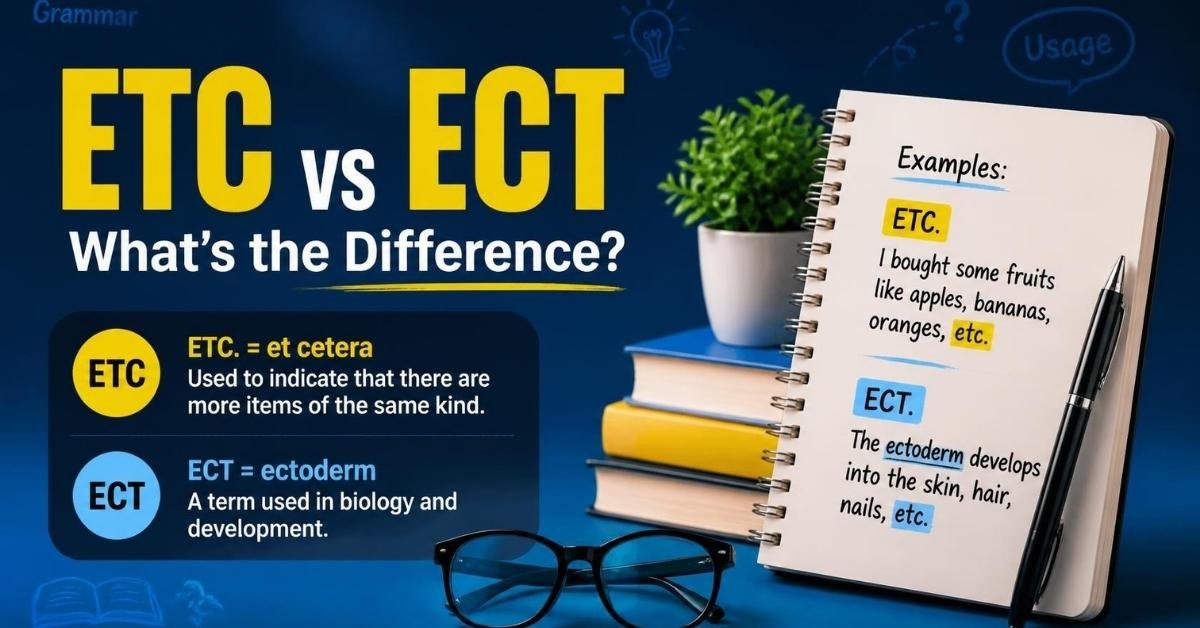
You typed a list, you got to the end, and now you’re stuck.Is it etc or ect? Does it need a period? Does it change in British English?Here’s the short version. Etc is the only correct spelling. Ect is a common spelling mistake, not an accepted variant, and it shows up everywhere from emails to school assignments to quick social media captions.
This mix up isn’t a sign someone doesn’t know English well. It’s usually just a fast typing habit that never got corrected, and once you understand the word origin behind etc, it becomes genuinely hard to forget. Let’s clear up why the confusion happens and how to use etc the right way, every single time.
Quick Answer
Etc is short for the Latin phrase et cetera, which means “and other things” or “and the rest.” It’s the only correct spelling, used across British English and American English alike.
Ect isn’t a regional spelling or an alternate form. It’s just a typing mistake, usually caused by swapping the “t” and “c.” Once you know the word origin, the mix up stops making sense, and it gets a lot easier to remember.
The Origin of Etc or Ect
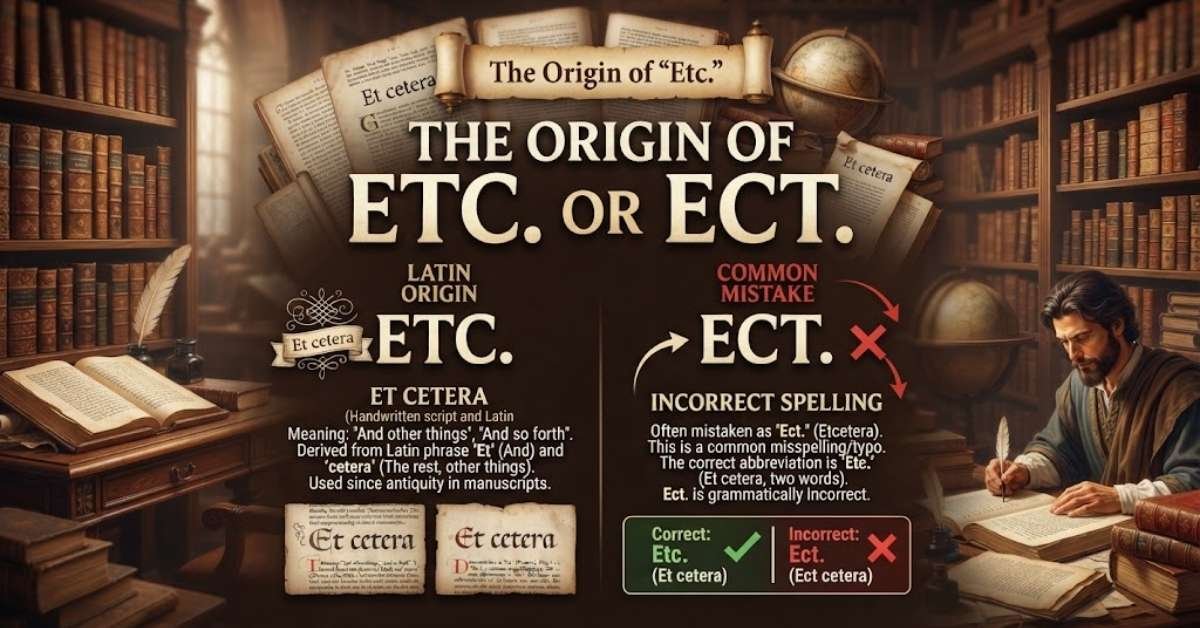
The phrase et cetera comes straight from Latin. Et means “and,” and cetera means “the rest” or “other things.” Put together, they mean exactly what you’d guess: and the rest of it.
English absorbed this phrase centuries ago, and writers shortened it to etc for speed. That’s the entire historical origin in a nutshell, there’s no second version where the letters got flipped into ect. The linguistic basis for etc is solid; ect simply never existed as a real form.
British English vs American English Spelling
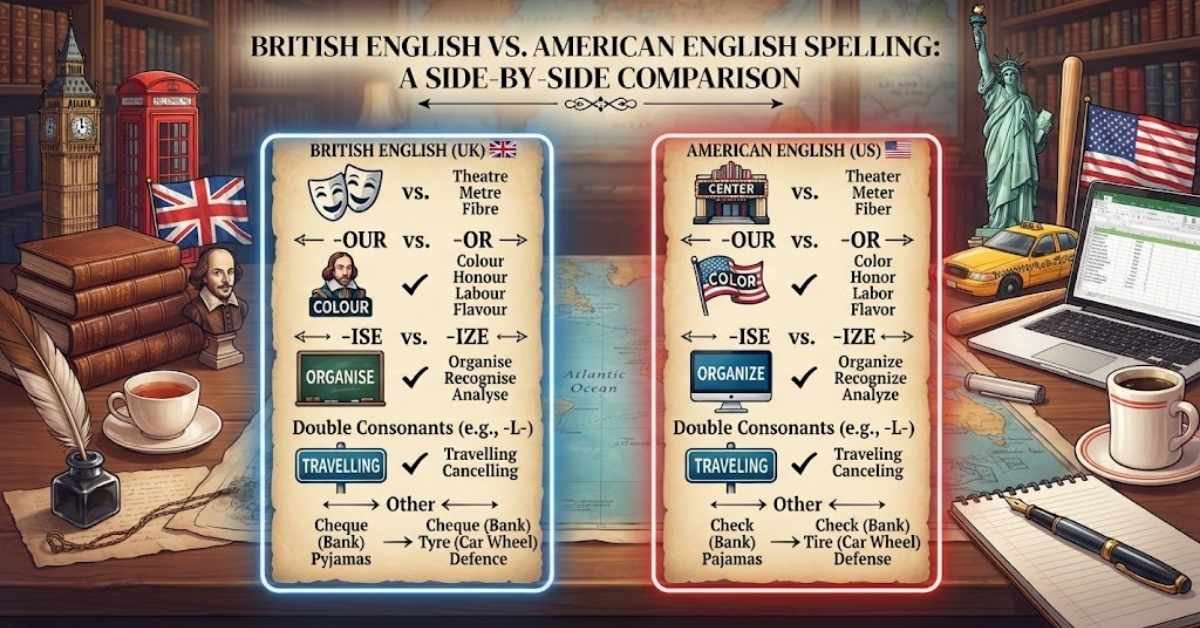
Good news here: this isn’t one of those words where US English and UK English disagree. Etc stays etc in both.
Where they sometimes differ is punctuation habits. American English almost always keeps the period after etc, since it’s an abbreviation. British English writers occasionally drop periods from abbreviations in casual writing, but most style guides on both sides still recommend keeping it. So whether you’re writing for a US audience or a UK audience, etc. with the period is your safest bet.
Which Spelling Should You Use?
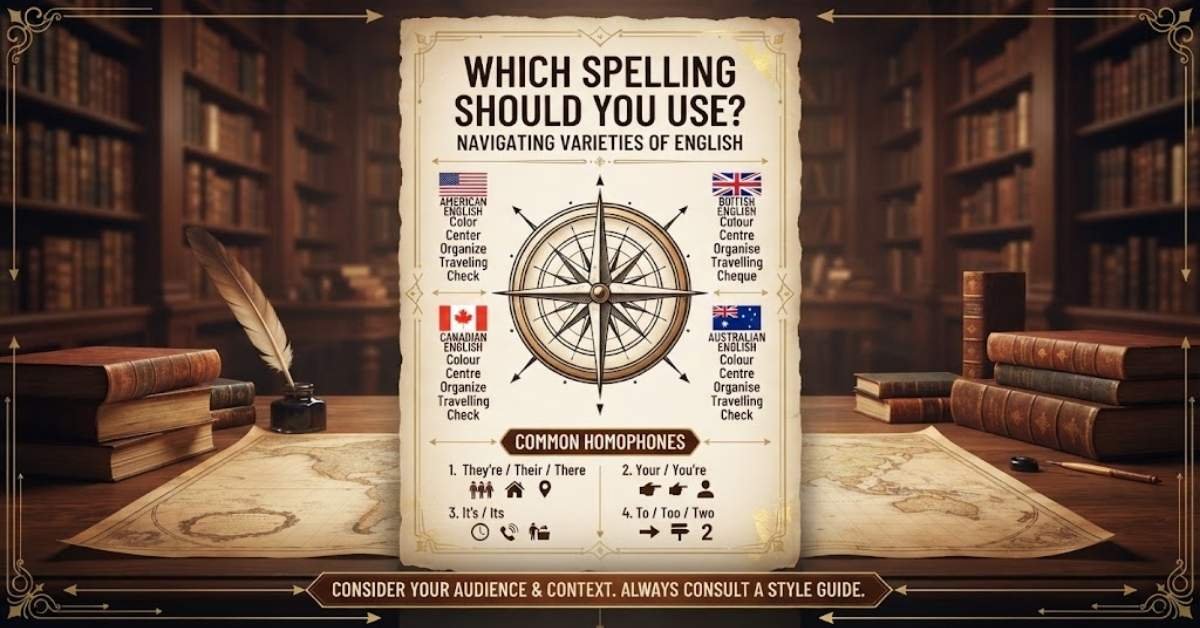
Always use etc. There’s no situation, formal or casual, academic or conversational, where ect is the acceptable spelling.
Think of it like muscle memory. If you can remember that etc is short for et cetera, the “c” before the “t” will click into place, because that’s the order the Latin word actually follows. Once that sticks, you’ll stop second guessing yourself mid sentence.
Common Mistakes with Etc or Ect
A few habits are responsible for most of the confusion out there. Here’s what trips people up:
- Writing ect instead of etc, usually from typing too fast or mishearing the word spoken aloud
- Using and etc, which is redundant since etc already means “and the rest”
- Dropping the period, which turns a proper abbreviation period into an incomplete one
- Placing etc in the wrong spot, like starting a list with it instead of ending one
- Treating etc as a fancy word rather than a simple stand in for “and other things”
Each of these counts as a spelling error or a typing mistake, not a stylistic choice. Catching them is mostly about slowing down for one extra second before you hit send.
Etc or Ect in Everyday Examples
Seeing etc used correctly in context makes the rule stick a lot faster than memorizing a definition. Here’s how it shows up across different types of everyday writing.
Emails
In email writing, etc often wraps up a quick list without forcing you to spell out every single item. “Please bring your ID, passport, insurance card, etc.” reads clean and professional. Just remember the period still belongs there, even mid sentence.
News Writing
News writing tends to avoid etc in headlines, since it reads a little vague for a punchy title. It shows up more often inside articles, especially when summarizing a longer list of examples like “policies covering trade, employment, income, etc.” without listing every single category the report covered.
Social Media
Social media posts are more relaxed, but etc still needs its period even in a casual caption. Something like “coffee, books, music, etc. are basically my whole personality” works fine, and skipping the period here is one of the most common places people cut corners.
Formal Writing
Formal writing, whether that’s academic writing, business writing, or professional documents, holds the strictest standard. Etc. with the period is expected, and “and etc.” should never appear, since it repeats the word “and” that’s already built into the phrase.
How to Use Etc Correctly (Grammar and Spelling Rules)
Once you separate grammar from spelling from abbreviation habits, etc stops feeling tricky.
Grammar Rules
Etc always goes at the end of a list, never the start, and never in the middle. It should only follow items that are genuinely similar, so the reader can guess what “the rest” probably includes. If the missing items aren’t obvious, it’s usually better to just list one or two more examples instead of leaning on etc.
Spelling Rules
There’s exactly one correct form: e t c. No incorrect form, no swapped letters, no exceptions for ESL learners or native speakers. If you remember the Latin root et cetera, the spelling almost writes itself.
Abbreviation Rules
As an abbreviation, etc needs a period after it, styled as etc. When etc. falls at the end of a full sentence, you don’t add a second period; the one it already has does double duty. That single detail trips up more writers than the spelling itself does.
Etc or Ect – Search Trends and Everyday Usage
Search behavior around this topic tells its own story. People consistently search for etc or ect, etc vs ect, and similar phrases, which shows this spelling confusion is common enough that plenty of confident writers still pause to double check it.
Most of that search intent falls into educational intent, meaning people aren’t just curious, they’re actively trying to get something written correctly right now, whether that’s an email, an assignment, or a caption. That’s exactly why a clear, direct answer matters more than a long winded grammar lecture.
Comparison Table: Etc vs Ect
| Aspect | Etc | Ect |
| Correct spelling | Yes | No |
| Meaning | And other things | None, it’s a typo |
| Latin origin | Et cetera | Doesn’t exist |
| Used in formal writing | Yes, with a period | Never |
| Accepted in British English | Yes | No |
| Accepted in American English | Yes | No |
| Common cause | Correct usage | Swapped letters while typing |
Etc in Practical, Real Life Situations
Etc shows up far more often than most people realize, mostly because so many everyday lists share the same shape. Government forms are a good example. You’ll see lines asking for your ID, proof of age, gender, income, and related documents, etc, since listing every possible paper someone might submit would make the form unreadable.
Business and news contexts lean on it too. A report covering trade, employment, and inflation, etc, doesn’t need to name every single economic factor to make its point. The same goes for casual lists like photos, coffee, books, and music, etc, where the reader already understands the general category being described.
Notice the pattern here: etc only works when the missing items are easy to guess. If a reader would have no idea what else belongs on the list, it’s a sign to swap etc for one or two real examples instead.
Etc vs Other List Ending Abbreviations
Etc often gets lumped in with i.e. and e.g., but they don’t do the same job. E.g. introduces examples (“snacks, e.g. chips and pretzels”), while i.e. clarifies or restates something (“the main course, i.e. the steak”). Etc, on the other hand, wraps up a list by implying more items exist without naming them.
Mixing these up is its own kind of misuse of abbreviation, separate from the etc versus ect issue, but worth knowing since all three tend to appear in the same sentence types. Getting each one right adds a small but real layer of clarity and correctness to your writing.
Why This Small Mistake Hurts Your Credibility
A single ect in an email or report might seem minor, but readers notice. It can read as careless, especially in professional communication where credibility matters. Clients, teachers, and hiring managers often judge writing quality from small details like this one.
The fix costs nothing. Spend the extra second confirming it’s etc, not ect, and you protect your professional tone without any real effort. Small habits like this build confidence in your writing over time, and confidence tends to show.
Conclusion
Etc is the only correct spelling, always has been, and ect has never been a legitimate alternative in any form of English. It comes from the Latin et cetera, keeps its period as a proper abbreviation, and belongs at the end of a list, not the start or the middle.
Once you connect etc back to its Latin roots, the spelling stops being something you have to memorize and just becomes something you know. That’s really all this comes down to: a small phrase, one common mix up, and an easy fix once you see where it comes from.
FAQs
1. What does etc mean?
Etc means “and other things” or “and so on.” It comes from the Latin phrase et cetera and is used to shorten a list when the remaining items are similar or obvious.
2. Is ect ever correct?
No. Ect is not a recognized word, abbreviation, or regional spelling anywhere in English. It’s simply a common typo for etc.
3. What is the full form of etc?
The full form is et cetera, a Latin phrase meaning “and the rest.”
4. Can I use etc in formal writing?
Yes, etc is appropriate in formal, academic, and business writing, as long as it’s spelled correctly and includes the period.
5. Should etc have a period?
Yes. Since etc is an abbreviation, it should always be written as etc. with a period, even in the middle of a sentence.
6. Is etc American or British English?
Neither exclusively. Etc is used the same way in both American English and British English, with only minor differences in how strictly the period gets applied.
7. Can etc be used in a sentence?
Yes, etc typically comes at the end of a list within a sentence, like “the kit includes gloves, masks, sanitizer, etc.” It should not open a sentence or a list.