
Echoes is the correct plural form of echo. “Echos” is a common misspelling that pops up everywhere online, but it’s not accepted in standard English.An echo is a repeated sound, usually caused by sound reflection off a hard surface like a wall or a mountain.Think of shouting in a canyon and hearing your own voice bounce back at you. That’s an echo in its simplest form.
If you’re stuck between echoes or echos, always go with echoes. It follows a well established plural rule in English, and it’s the only version you’ll find in dictionaries, style guides, or professional writing.
The Origin of Echoes or Echos

History
The word echo traces back to Greek mythology. In the old stories, Echo was a nymph cursed to only repeat the last words spoken to her, never able to start a conversation on her own.
Language Development
That mythological figure gave her name to the natural phenomenon we now call an echo. Over centuries, as Ancient Greek language filtered into Latin and then into English, the word kept its core meaning: something reflected back.
Why “Echoes” Exists
English has a quirky little rule about words ending in “o.” Many of them take -es instead of just -s when you make them plural, and echo is one of them. That’s the whole story behind why “echoes” exists instead of “echos.”
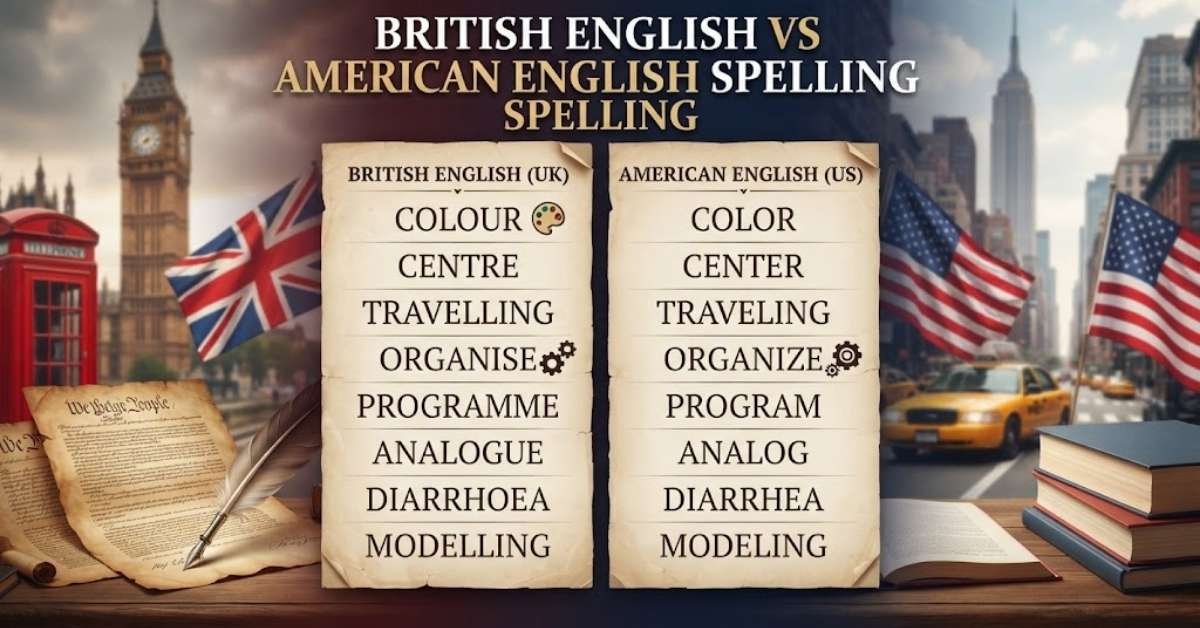
British English vs American English Spelling
Usage Comparison
Here’s some good news if you’ve been second guessing yourself: this isn’t a case where British English and American English disagree. Both sides of the pond spell it the same way.
Whether you’re reading a UK English newspaper or a US English blog, echoes is the spelling you’ll find. There’s no regional split to worry about here, unlike words such as “colour” versus “color.”
Key Insight
This consistency across English-speaking regions makes life easier. You don’t need to switch spellings depending on your audience’s location, which isn’t always the case with other spelling differences in the language.
Which Spelling Should You Use?
Correct Choice
Use echoes. Every single time. It doesn’t matter if you’re writing a text message, a novel, or a company memo.
Avoid
Steer clear of “echos.” It shows up a lot in casual typing and even in some low quality content online, but it’s still an incorrect spelling that hasn’t earned a place in any recognized dictionary.
Writing Tip
A quick trick that helps: if a word ending in “o” sounds a bit awkward with just an “s” tacked on, try adding “-es” instead. Say “heroes,” “potatoes,” and echoes out loud, and you’ll hear why the extra letters just feel right.
Common Mistakes with Echoes or Echos
Using “Echos”
This is the number one slip up people make. It usually happens because folks assume all words just need an “s” to become plural, without thinking about the exceptions.
Ignoring Grammar Rules
Skipping over basic English plural rules causes more mix ups than you’d think. A lot of spelling mistakes aren’t about not knowing the word, they’re about rushing past the rule that governs it.
Mixing Verb and Noun Forms
Here’s where things get tricky. “Echoes” can be a noun form (more than one echo) or a verb form (when “echo” is used as a verb, like “she echoes his opinion”). Mixing these up, or confusing them with “echoed,” is another frequent stumble.
Echoes or Echos Meaning (Detailed)
Echoes Meaning
At its core, echoes meaning points to sound bouncing back after hitting a surface. But the word has grown far beyond acoustics. People use it to describe repeated ideas, lingering feelings, or even patterns that show up again and again over time.
Usage in Context
You’ll hear echo as a concept used in phrases like “her words still echo in my mind” or “the policy echoes decisions made years ago.” This kind of emotional depth is exactly why writers love the word. It’s flexible, and it carries weight without sounding overly dramatic.
Echoes or Echos in Everyday Examples
Ever written a line like “just want to echo what Sarah said in her last message”? That’s a completely normal use in professional writing, especially when you’re agreeing with a coworker without repeating their entire point.
Social Media
On social media, you’ll often see people say a post “echoes” a sentiment shared by thousands of others. It’s become shorthand for “this matches what a lot of us are already thinking.”
Writing
In literature and poetry, echoes carries serious literary themes. Writers use it to hint at memory symbolism, loss, or the way past events shape the present. A single word doing that much heavy lifting is pretty impressive.
Echoes or Echos – Google Trends and Usage Data
Popularity
Search popularity data consistently shows people typing “echoes or echos” into Google Trends because the confusion is genuinely widespread. It’s one of those spelling query patterns that keeps showing up year after year.
Global Insight
This global insight matters for writers and businesses alike. If your content writing gets the spelling wrong, it can quietly chip away at how credible your site looks, especially to readers who do know the correct form.
Why This Mistake Matters for Content Writing
Getting small details right builds trust with your readers, and it’s a bigger deal than people assume. A single incorrect form buried in a blog post might seem minor, but readers notice, and so do search engines that reward accurate writing.
This ties directly into Google’s helpful content guidelines, which favor writing clarity and correctness over content that’s rushed or careless. Clean, well checked online writing tends to earn more trust, more shares, and better rankings over time.
How Native Speakers Actually Use “Echoes” in Conversation
Most native speakers don’t consciously think about grammar rules when they say echoes. It just comes out naturally, the same way “goes” or “potatoes” does.
That natural fluency is worth paying attention to if English isn’t your first language. Reading and listening to real conversations, podcasts, or shows is one of the fastest ways to absorb correct pronunciation rules and spelling conventions without memorizing a textbook.
Similar Words That Follow the Same Plural Pattern
Echo isn’t alone. Plenty of other words ending with -o follow the same add suffix pattern, which makes the rule easier to remember once you see it grouped together.
- Hero becomes “heroes”
- Tomato becomes “tomatoes”
- Potato becomes “potatoes”
- Volcano becomes “volcanoes” (though “volcanos” is sometimes accepted too)
Notice a pattern? Most of these are everyday, older words. Newer or borrowed words, like “photo” turning into “photos,” often skip the “-es” and just take an “s.” English keeps you on your toes like that.
Comparison Table: Echoes vs Echos
| Aspect | Echoes | Echos |
| Grammar status | Correct plural form | Incorrect spelling |
| Dictionary recognition | Fully recognized | Not recognized |
| Used in academic writing | Yes | No |
| Used in formal writing | Yes | No |
| Common in casual typing | Sometimes seen | Frequently misused |
| Region (US/UK) | Standard in both | Not standard anywhere |
Conclusion
So, echoes or echos? At this point, the answer should feel obvious. Echoes is the only correct plural spelling, backed by history, grammar, and everyday usage across every English-speaking region.
Next time you’re writing about a voice bouncing off canyon walls, a thought that keeps resurfacing, or a sentiment that matches what everyone else is already saying, you’ll know exactly which spelling to reach for. Small fixes like this one add up, and they make your writing feel sharper and more polished.
FAQs
Is “echos” ever correct?
No. “Echos” isn’t listed in any major dictionary and isn’t accepted in standard English.
What is the plural of echo?
The plural of echo is echoes, formed by adding “-es” to the base word.
Does British English spell it differently from American English?
No. Both UK English and US English use the same spelling: echoes.
Can “echoes” be used as a verb?
Yes. When used as a verb, “echoes” describes an action, like “he echoes her sentiment,” referring to verb forms of the word rather than the noun forms.
Why do so many people misspell it as “echos”?
Mostly because they apply the standard “add an s” rule without accounting for the exception that applies to certain words ending in “o.”