
Here’s an introduction for the article, following your house style, answering the question straight away before the rest of the article expands on it:High school or highschool? If you’ve ever paused mid sentence wondering which one looks right, you’re definitely not alone. It’s one of those words that seems simple until you actually have to type it out, especially in a resume, an email, or a school application. The good news is, the answer is short and clear. High school is the correct spelling, written as two separate words, no exceptions. Highschool, squeezed into one word, is a common slip that even confident writers make without noticing.
In this guide, you’ll see exactly why the space matters, where this mix up comes from, and how to avoid it for good in your academic writing, professional communication, or everyday typing.Want me to also draft a shorter, punchier version for a meta/social snippet, or is this the one you’ll drop straight into the article’s opening?
Quick Answer
High school is the correct spelling. It’s written as two separate words, not one.
Highschool, written as a single word, is a common spelling mistake that people make when typing fast or relying on habit rather than checking the rule.
If you remember nothing else from this article, remember this. Two words, always.
The Origin of High School or Highschool

The term high school came from the idea of a “higher level of schooling,” meaning education that comes after primary education. It marks the stage where students move from basic learning into more advanced subjects.
Because English tends to build compound words by combining two nouns or a noun and an adjective, “high” and “school” naturally stayed separate at first. Over time, some compound terms merge into one word (like “notebook”), but “high school” never made that shift.
That’s why highschool still looks off to most readers, even native English speakers. Your eyes are trained to expect the space.
British English vs American English Spelling
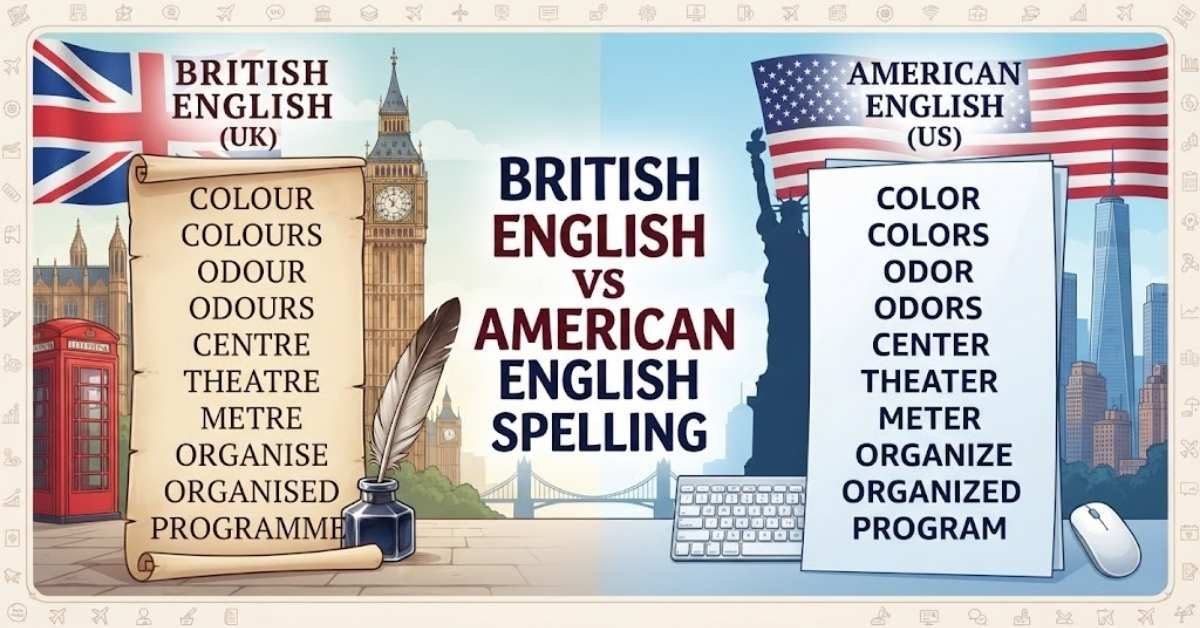
Here’s some good news if you’ve been confused by regional spelling differences. This one isn’t split by country.
American English, British English, Canadian English, and Australian English all treat “high school” the same way, as two words. You won’t find “highschool” listed as the accepted UK English spelling versus “high school” as the US English one.
So unlike words such as “color” and “colour,” this isn’t a case of English varieties disagreeing. It’s simply a spelling that people get wrong across every Commonwealth country and beyond.
Which Spelling Should You Use?
Always go with high school. Whether you’re writing an email, a resume, a blog post, or an academic paper, two words is the standard form.
Think about your audience for a second. Students, teachers, parents, and job seekers all expect to see the correct spelling in formal writing and professional communication. Getting it wrong can quietly chip away at your writing credibility.
Even in informal writing like texts or social captions, sticking with “high school” just reads better. It’s not a hill worth dying on for the wrong word.
Common Mistakes with High School or Highschool
Most people don’t misspell this on purpose. It usually comes down to fast typing, autocorrect not catching it, or simply forming a typing habit early on and never questioning it.
Here are the most frequent slip ups:
- Writing “highschool” as one word in resumes or cover letters
- Using “high-school” with a hyphen when describing a noun (there’s no hyphen needed here)
- Mixing up “high schooler” with “highschooler,” another spot where the space often disappears
- Assuming spellcheckers always catch it (they don’t always flag it, especially in casual writing apps)
None of these mistakes are catastrophic, but they do stand out to careful readers, especially in official documents or academic writing.
High School or Highschool in Everyday Examples
Seeing the word in context makes the rule stick better than any explanation. Here’s how “high school” shows up correctly:
- “My high school teacher always said grammar mattered more than people think.”
- “She’s a high school student juggling exams and part time work.”
- “High school education reforms in Lahore have changed how exams are structured.”
- “Public high school students aged 14 to 18 often face similar academic pressure.”
- “High school graduation is one of those memories that sticks with you for life.”
Notice how none of these examples ever squeeze “highschool” into a single word. That consistency is exactly what you want to copy in your own writing.
Why Compound Words Confuse People
This mix up isn’t unique to “high school.” English is full of tricky compound word decisions, and honestly, that’s part of why so many writers second guess themselves.
Some terms become closed compounds (one word, like “notebook” or “blackboard”). Others stay as open compounds (two words, like “high school” or “football” once was before it merged). And a few need a hyphenated form, especially when used as a compound adjective before a noun.
The tricky part is that there’s no single formula you can memorize. Word formation in English evolves through habit and common usage, not strict logic, which is exactly why checking a reliable source beats guessing.
High School in Academic and Professional Writing
If you’re applying for jobs, writing a research paper, or drafting anything meant for an official record, precision matters more than ever. Academic papers, resumes, and professional writing get read closely, sometimes by people looking for a reason to reject an application.
Using “highschool” instead of “high school” in a resume might seem small, but it can raise questions about attention to detail. Hiring managers notice these things more often than you’d expect.
The same goes for academic credibility. Professors and reviewers expect standard English, and a spelling slip in an otherwise strong paper can distract from your actual argument.
Highschool on Social Media and Informal Writing
Social media plays by looser rules, and that’s fine. Nobody’s grading your Instagram caption for grammar.
Still, “highschool” tends to pop up more in informal online writing, texts, and quick social posts, mostly because of speed and habit rather than intention. Fast typing on a phone keyboard makes it easy to skip the space without noticing.
That said, using the correct spelling even casually helps reinforce the habit for when it actually counts, like in emails or job applications. Muscle memory works both ways.
High School or Highschool – Google Trends & Usage Data
Search behavior tells an interesting story here. People search for both “high school” and “highschool” fairly often, which shows just how widespread this confusion really is.
However, “high school” consistently pulls in far more search popularity across search engines, largely because it’s the version used in official documents, news, and education related content. Online searches for “highschool” tend to come from people unsure of the spelling rather than confirming it’s correct.
This pattern shows up across different regions too, from the United States and United Kingdom to Canada, Australia, and parts of Asia like Lahore, where English is widely used in education systems and professional settings.
High School vs Highschool – Comparison Table
| Aspect | High School (Correct) | Highschool (Incorrect) |
| Word Form | Open compound, two words | Closed compound, one word |
| Used In | Academic writing, resumes, news | Casual texts, social media |
| Accepted By | Dictionaries, style guides | Not recognized as standard |
| Region | Same across US, UK, Canada, Australia | Not region specific, just a common error |
| Example | “She’s a high school teacher.” | “She’s a highschool teacher.” (incorrect) |
Keeping a quick reference like this handy makes it easier to catch the mistake before you hit send or submit.
Related Spelling Mix Ups Worth Knowing
If “high school or highschool” tripped you up, you’re probably not alone in second guessing other similar terms. English has plenty of these.
Words like die or dye, cue or queue, and even phrasing questions like thumb in or thumb out follow the same pattern. Small differences that seem minor but actually change meaning, spelling, or correctness entirely.
Building awareness around one spelling mistake often helps you catch others faster. Once you train your eye on “high school,” similar patterns start standing out too.
Conclusion
So, high school or highschool? The answer stays simple. High school is correct, written as two words, used the same way across American, British, Canadian, and Australian English.Highschool might show up often in casual typing, but it’s not the accepted form in formal writing, academic papers, or professional communication.
A small fix, but one that adds real clarity and correctness to your writing.Next time you’re drafting a resume, an email, or even a quick caption, that tiny space between “high” and “school” will already feel automatic.
FAQs
Is “highschool” ever correct?
No, “highschool” isn’t recognized as standard in any major English variety. Stick with two words.
Why do so many people misspell high school?
Mostly typing habits and fast typing on phones. It’s an easy slip that spellcheckers don’t always catch.
Does British English spell it differently than American English?
No, both British English and American English use “high school” as two words.
Is “high-school” with a hyphen correct?
Not typically. You’ll sometimes see a hyphen used before a noun as a compound adjective, but the standalone term stays as two separate words.
Does this spelling matter for SEO or professional writing?
Yes, using the correct spelling improves writing credibility and helps content read as polished, especially in resumes, academic writing, and official content.