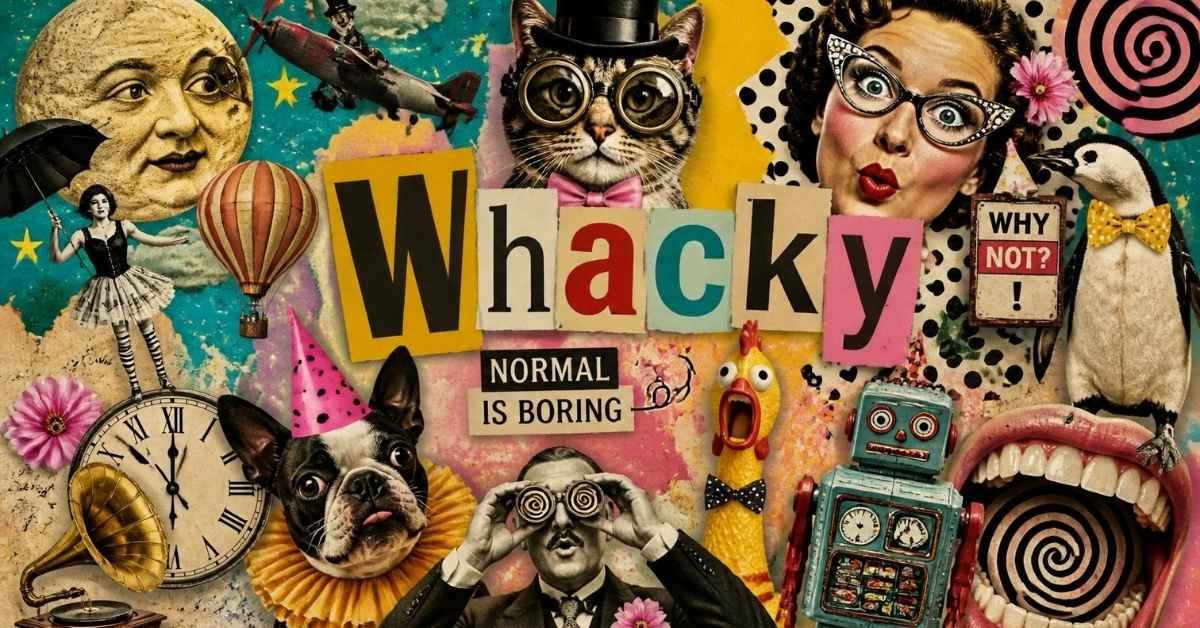
Ever typed “whacky” and watched your spellchecker throw a red squiggle at it? Or maybe you froze mid-caption, wondering which version looks less silly.Wacky is the standard correct spelling in modern English. Whacky is a variant spelling that still turns up, but it’s the rarer one. If you want one safe pick for every situation, go with wacky.
This guide covers the meaning, the word origin, and how American English and British English treat both forms. You’ll also get synonyms, real examples, and simple rules you can use today.
Quick Answer
Both spellings exist, and both mean the same thing. Most dictionaries list wacky first and treat whacky as an alternative. So wacky wins for standard spelling, and whacky stays in the “acceptable but uncommon” bucket.
Meaning:
Wacky describes something or someone odd, playful, and delightfully unpredictable. Think of a quirky idea that makes people laugh instead of frown. The tone is usually light, though it can sound teasing depending on context.
Example:
“My uncle wears a banana costume to every family barbecue, and honestly, it’s the wackiest tradition we’ve got.” Swap in whacky and the sentence still works. The definition stays put, only the spelling changes.
The Origin of Wacky or Whacky
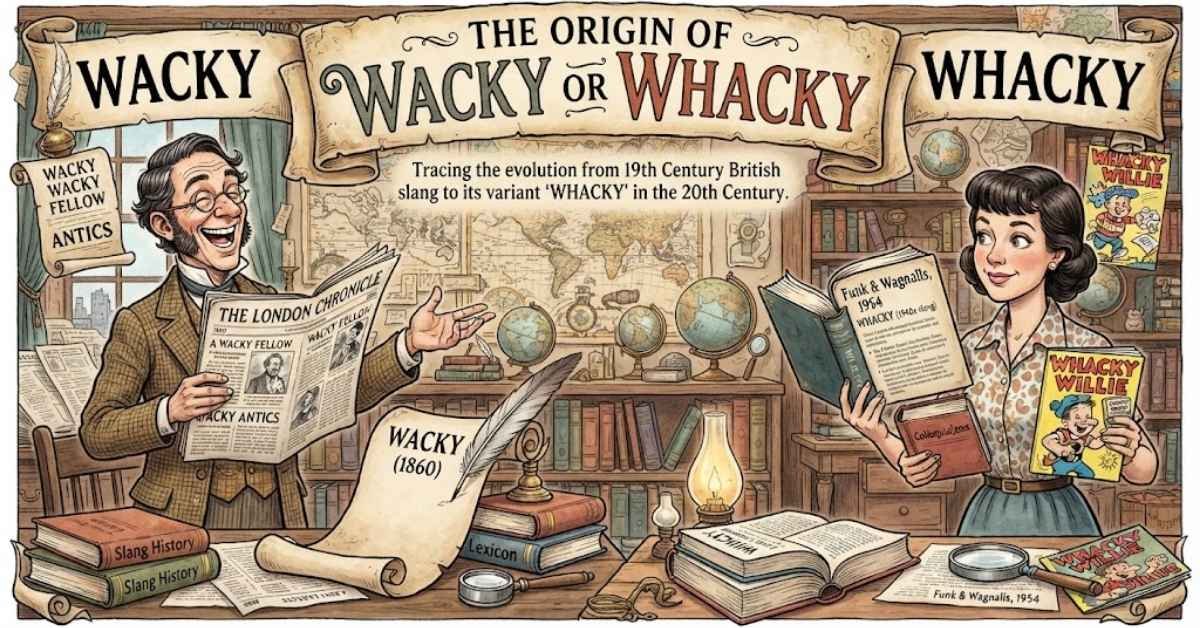
The etymology points back to the word whack, meaning a sharp hit. Early 20th century speakers used “whacky” to describe someone who acted as if they’d taken a knock on the head. That’s why the “wh” version came first, and it hints at the word origin of the whole family.
Over time, the sense softened. Nobody pictures a literal blow anymore. Today the word signals playful weirdness, not confusion or harm.
Why two spellings exist:
English has always been messy about sounds. The “wh” in whack and the “w” in wacky sound identical in most accents, so writers spelled by ear. That pronunciation influence created phonetic variations that turned into full spelling variations.
Once a new form catches on, dictionaries usually record both. Then spelling habits decide the winner. For this word, the shorter wacky pulled ahead in global usage.
British English vs American English Spelling
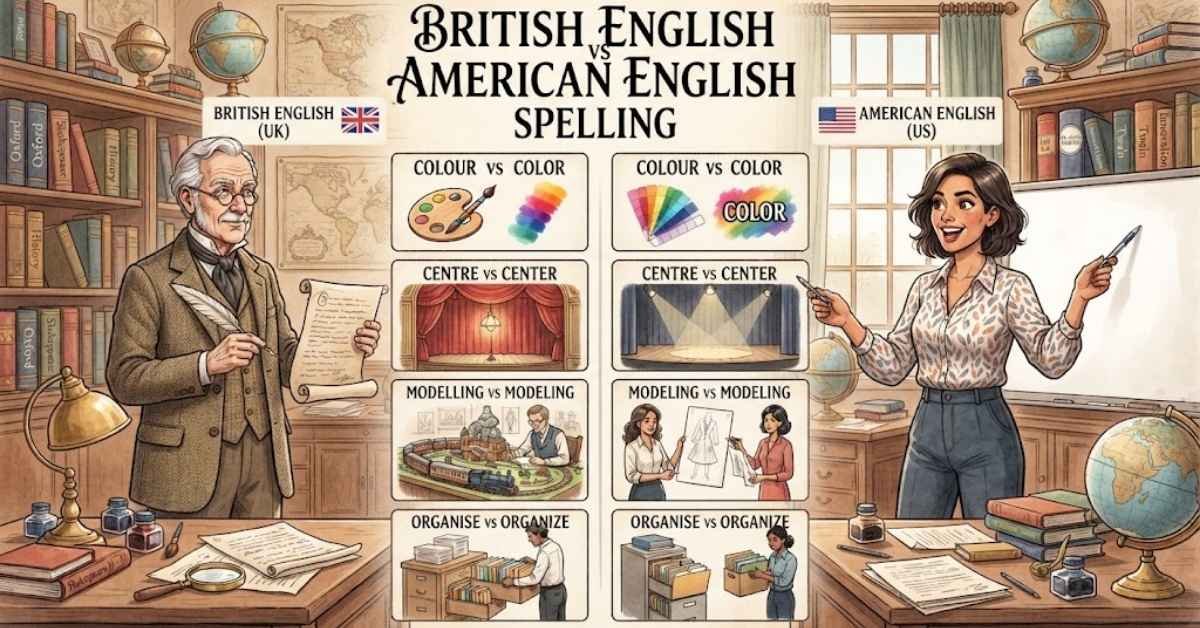
Here’s the good news. This isn’t like color versus colour, where each side owns a spelling. Neither American English nor British English treats whacky as an error.
Still, wacky leads on both sides of the Atlantic. Major dictionaries such as Merriam-Webster list wacky as the main entry. Whacky shows up as a rare variant, and Commonwealth English follows the same pattern.
Key Insight:
Don’t hunt for a regional rule, because there isn’t a strict one. The real split is standard form versus older spelling. Wacky is the modern default, and whacky feels a little vintage.
Which Spelling Should You Use?
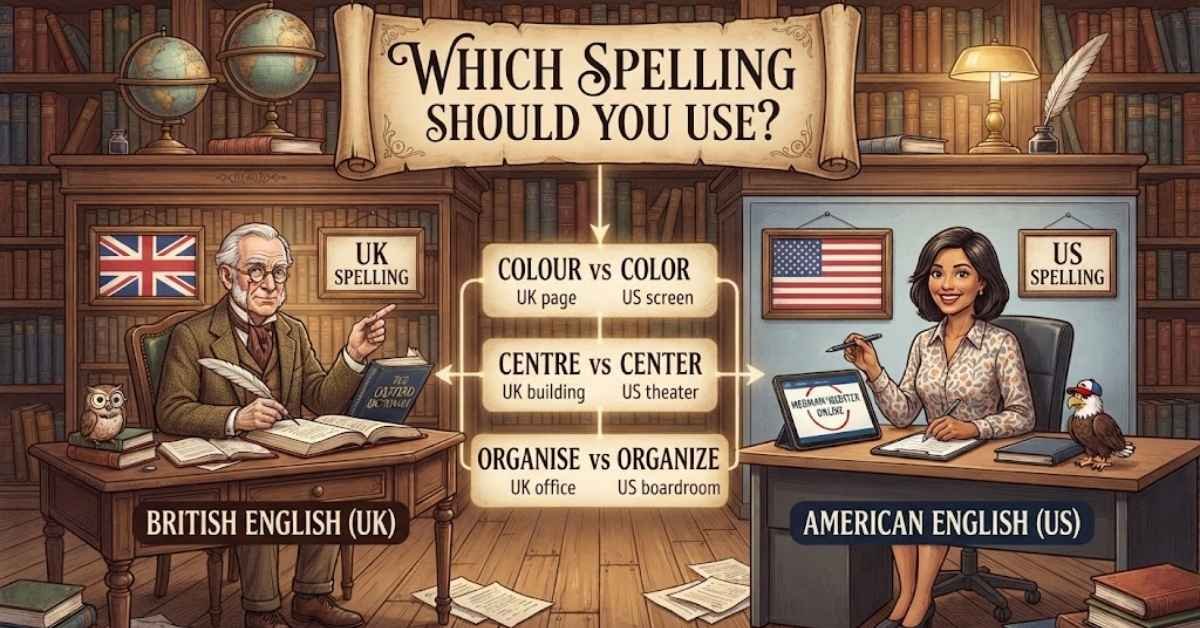
Your best choice depends on your audience and your goal. Ask yourself who’s reading and what tone you want. Then match the spelling to the moment.
Global Audience
Use wacky. It’s the recommended spelling for global English, and nobody will blink at it. It also keeps your writing clarity sharp when readers skim.
US Audience
Wacky again. Dictionary usage in the United States favors it, and editors expect it. Whacky can look like a typo to some readers.
UK & Commonwealth
Wacky is still the safer call in the United Kingdom, Canada, and Australia. British readers may recognize whacky, and they won’t call it wrong. But wacky matches most style guides and keeps things consistent.
✍️ Informal/Creative Writing
Here you’ve got freedom. In creative writing, whacky can add a retro, comic-strip feel to dialogue or a title. Just stay consistent inside the same piece.
Common Mistakes with Wacky or Whacky
Most slip-ups aren’t about picking the “wrong” word. They come from mixing habits, tone, and similar-looking words. Here are the three that show up the most.
Mistake 1:
Switching spellings in one article. You write wacky in the intro and whacky in the caption. Readers notice, and it chips away at reader confidence.
Mistake 2:
Assuming whacky is the “fancier” or more formal writing option. It isn’t. Both words are casual, so neither belongs in a legal memo or a professional writing sample unless you’re quoting someone.
Mistake 3:
Mixing up wacky with wack, whack, or wacko. They’re cousins, not twins. We’ll untangle them in a moment.
Wacky vs Wack vs Whack vs Wacko
This is the mix-up that trips up content writing the most. Whack means to strike something, as in “whack the piñata.” It’s also the root the whole family grew from.
Wack is slang for something bad or lame. If you call a party wack, you’re insulting it. If you call it wacky, you’re saying it’s fun and strange.
Wacko (and whacko) is stronger, and it can sound rude when aimed at a person. That’s a negative tone you probably don’t want. So wacky stays the friendlier choice.
Wacky or Whacky Synonyms
Repeating the same word gets stale fast. A few well-chosen synonyms keep your word usage fresh. Pick based on the mood you want.
General Synonyms:
- Quirky: charming and slightly unusual
- Goofy: silly in a lovable way
- Silly: light and harmless
- Zany: energetic and over the top
- Odd: simply different
- Strange: unfamiliar or unexpected
- Playful: fun and lighthearted
Context-Based Synonyms:
- Eccentric: best for a person with unusual habits
- Unconventional: works for plans, ideas, or designs
- Hilarious: when the strangeness makes people laugh
- Ridiculous: when it’s too much, sometimes with a frown
- Entertaining: for shows, events, or performances
- Weird: blunt, casual, and sometimes negative
- Crazy: informal and very flexible
Wacky Person Meaning
A wacky person is someone whose sense of humor and behavior stray from the ordinary. They’re often the friend who turns a dull meeting into a story. The label usually points to a quirky personality, not a flaw.
Still, tone matters. Said with a smile, it’s a compliment. Said with a sneer, it can hint at odd behavior people don’t appreciate.
Example:
“Our neighbor waters his lawn in a tuxedo every Sunday. He’s wacky, but the whole street adores him.” Here the word feels warm. That’s the positive description most people mean.
Wacky or Whacky Funny Usage
Wacky fits funny situations better than almost any other word. It signals humor without demanding a punchline. That’s why you’ll see it on party invites, kids’ shows, and social post captions.
Try it for a wacky scene in a story, like a dog stealing a wedding cake. Or use it in a caption for a photo of mismatched socks. Keep the playful tone light, and the joke lands.
Wacky Races Meaning
Wacky Races is a classic cartoon from Hanna-Barbera that first aired in 1968. It follows a crowd of eccentric drivers in over-the-top cars, all chasing first place. Dick Dastardly and his dog Muttley cheat constantly, and it never works.
The title shows the word’s spirit perfectly. The cartoon characters are silly, the racing scenes are chaotic, and the over-the-top humor never quits. It also explains why many people first learn the word as “wacky” with a W.
Wacky or Whacky Reddit Insight
Reddit discussions and other online forums are a good window into how people really talk. Threads about this word tend to be short and friendly. Nobody’s fighting to the death over one letter.
Common Opinion:
Most commenters say wacky looks cleaner and is the one they’d use. A few say whacky reads as more old-fashioned or cartoonish. The general vibe is simple: both are understood, but wacky feels standard.
Wacky or Whacky in Everyday Examples
Seeing the word in action makes the choice easier. Here’s how it fits into everyday communication. Notice how tone shifts by setting.
Email:
“Fun update: the team offsite has a wacky theme, so bring a silly hat.” This works in a casual email to coworkers. Skip it in a formal client message.
News Style:
“Officials called the festival’s wacky pumpkin-launching contest a surprise hit.” News style uses wacky when the story is light. It keeps the standard form.
Social Media:
“Wacky Wednesday vibes: my cat wore my hat all morning.” On social media, wacky feels natural and quick. You’ll also see whacky in playful messages and hashtags.
Formal Writing:
“The proposal took an unconventional approach to the problem.” In formal writing, swap wacky for a calmer word. That keeps the formal communication professional.
Wacky or Whacky: Google Trends & Usage Data
Google Trends shows relative search popularity, not exact numbers. For this pair, wacky usually pulls far more interest than whacky. You can check it yourself in a few seconds and watch the gap.
If you want to test it, type both words into Google Trends and compare. Try different time ranges and countries. It’s a simple way to see search trends with your own eyes.
Popular Regions:
Interest tends to show up strongest in the United States, the United Kingdom, Canada, and Australia. These are the biggest English language markets, so that’s expected. Exact rankings change over time, so treat any snapshot as a guide, not a rule.
Does Your Spelling Choice Affect Trust?
Small details shape trust. When a reader spots an odd spelling, they may wonder what else you missed. That’s why correctness matters even for a light word like this.
A consistent standard spelling builds writing confidence on your side and reader confidence on theirs. It also helps blog writing feel polished. Clear, clean copy simply earns more attention.
Easy Ways to Remember the Right Spelling
Try this trick. Wacky has no “h,” just like “wild” and “wonky” skip the extra letter. Keep it short and you’ll keep it right.
Another quick tip: default to wacky, and only use whacky when you’re quoting or going for a retro look. Add it to your style notes if you write a lot. That habit saves time and prevents mix-ups.
Wacky or Whacky: Comparison Table
| Feature | Wacky | Whacky |
| Status | Standard form | Rare variant |
| Popularity | Much higher | Much lower |
| American English | Preferred | Accepted, uncommon |
| British English | Preferred | Accepted, uncommon |
| Origin link | Shortened from older form | Closer to “whack” |
| Best for | Global usage, blogs, news | Retro or playful styling |
| Formality | Informal | Informal |
Conclusion
So, which is right? Both mean the same thing, but wacky is the clear pick for modern usage. Use whacky only when you want a vintage feel or you’re quoting someone.
Now you know the meaning, the origin, the synonyms, and the mistakes to dodge. Pick one spelling and stick with it in every piece. Got a wacky word that trips you up? Drop it in the comments, and share this guide with a friend who writes a lot.
FAQs
1. What is the meaning of wacky or whacky?
Both words describe something odd, funny, or delightfully unconventional. They share one definition, so the choice is only about spelling.
2. Is whacky a real word?
Yes, it’s a recognized variant spelling. Dictionaries list it, though wacky is the main entry.
3. What is a wacky person?
It’s someone with a quirky, humorous, or unpredictable style. Usually it’s meant as a friendly label.
4. What are wacky synonyms?
Good options include quirky, goofy, zany, silly, and eccentric. Pick the one that fits your tone and audience.
5. Is wacky informal?
Yes. It fits casual context and informal speech, but not professional writing.
6. Why do people write whacky?
It links back to the word whack, and spelling by ear also plays a part. Some writers like the older, cartoonish look.
7. Which spelling should I use globally?
Use wacky. It’s the recommended spelling for global English and works for every audience.