
Ever typed “more then” and wondered if your spell checker just missed it? You’re not alone, and the fix takes about ten seconds.
“More than” is the correct phrase when you compare things or talk about a greater quantity. “Then” belongs to time and sequence, so “more then” is almost always a spelling mistake.
Quick Answer
Use more than when you compare. Use then when you talk about what happens next. “I have more than five pencils” is right. “I have more then five pencils” is wrong.
Here’s the fastest test you can run on any sentence. If you can swap in “greater than” or “compared with,” you need than.
If you can swap in “after that” or “next,” you need then. That single check clears up most grammar confusion in everyday writing.
The Origin of More Than and Then
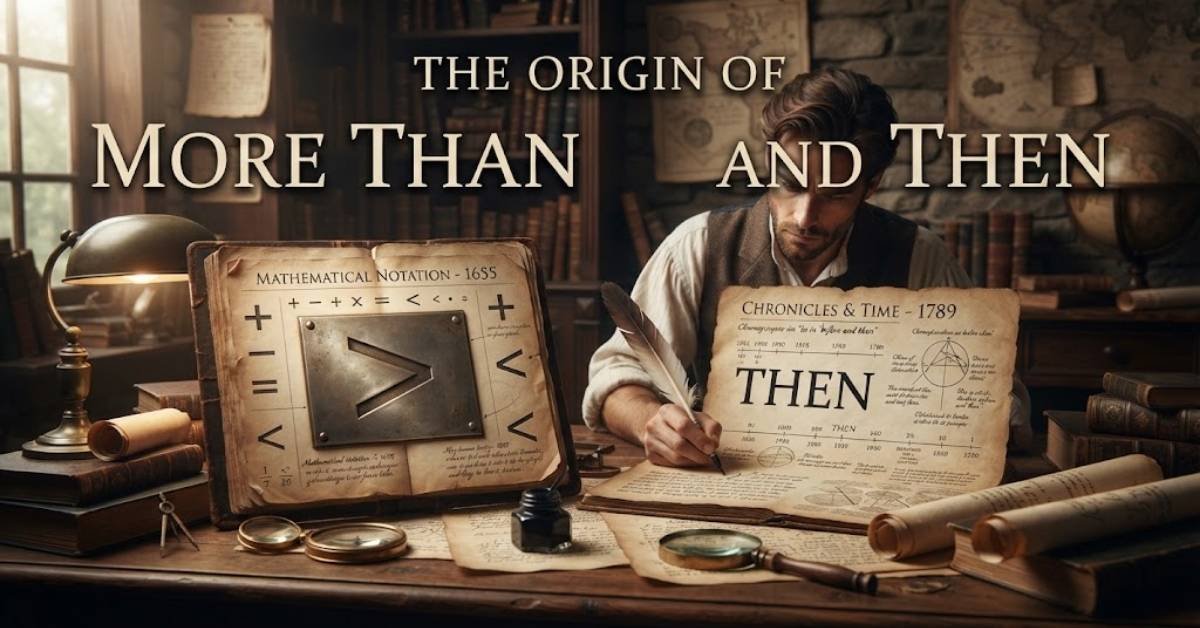
Both words come from the same Old English root. Long ago, people used one spelling for both jobs.
Over the centuries, writers split them apart. Than took over comparison, and then kept time. That split settled into the correct spelling we use today.
This is why the mix-up feels so natural. Your brain hears two nearly identical sounds, and history backs up the confusion. Etymology doesn’t excuse the error, but it explains why so many smart people trip on it.
British English vs American English Usage
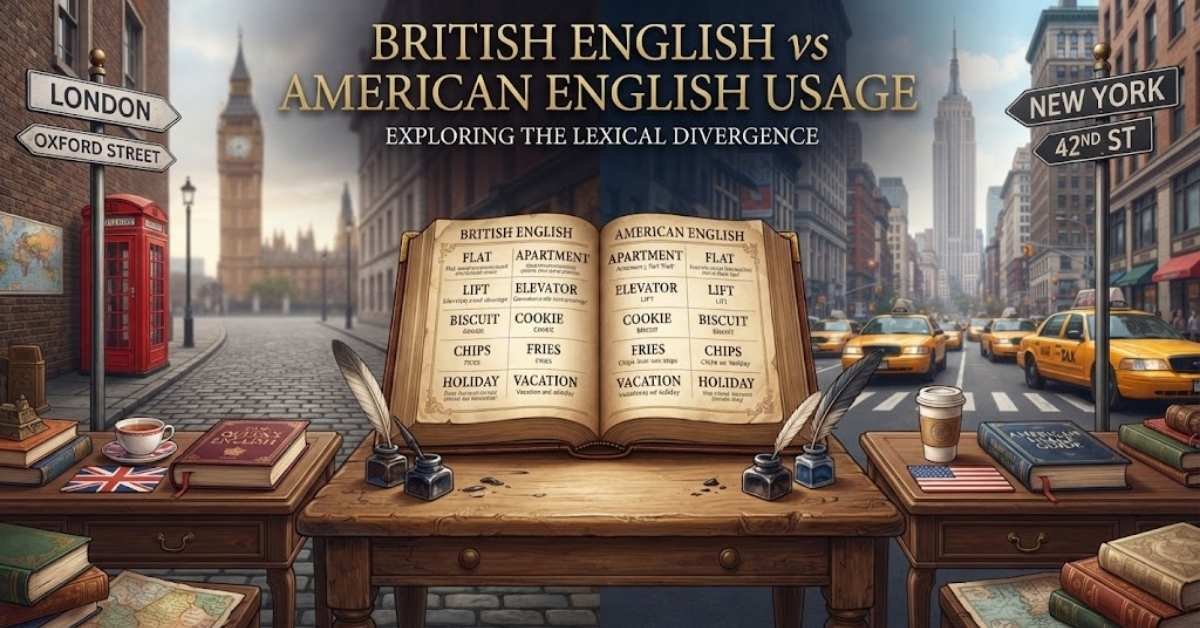
Here’s some good news. British English and American English treat these words the same way.
There’s no regional spelling twist here. UK English and US English both write “more than” for comparisons and “then” for sequence.
So you can stop hunting for a secret rule. Whether you write for a London blog or a Texas newsletter, the grammar rule stays put.
Which Spelling Should You Use?
Pick than for comparing and then for timing. That’s the whole rule of thumb.
Think of a friend named Sam who says, “I earn more than Jake.” Sam is comparing two people, so than wins. Now picture Sam saying, “I finished work, then I went home.” Sam is listing steps, so then wins.
Still stuck? Read the sentence out loud and ask, “Am I comparing or ordering?” That question fixes word choice faster than any app.
Common Mistakes with More Then or More Than
Most common writing errors here come from typing too fast. Autocorrect won’t always save you, because “then” is a real word.
Here are the slip-ups I see most often:
- “I’d rather walk then drive.” It should be than, because you’re comparing two options.
- “She’s taller then me.” It should be than, since this is a comparative expression.
- “First mix the flour, than add eggs.” It should be then, because it shows order of events.
- “More then enough food.” It should be more than enough.
Notice a pattern? The wrong version usually swaps the two words when the sentence has “more,” “less,” “rather,” or “taller” in it. Those comparison words almost always pair with than.
More Then or More Than Meaning
Both words look small, yet they do very different jobs. Let’s break each one down so it sticks.
More Than Meaning
More than means “greater than” or “exceeding.” You use it to compare quantity, size, or degree.
For example, “There are more than ten books on the shelf” tells you the count goes past ten. It also works for emphasis, like “She’s more than capable.”
Then Meaning
Then points to time or a consequence. It answers “what happened next?” or “what follows if this is true?”
Take “Finish your homework, then go out.” The word sets a sequential order. It also works in cause and effect: “If it rains, then we stay in.”
More Then or More Than in Sentences
Examples teach faster than rules, so here are a few you can borrow. Each pair shows the correct usage first and the incorrect usage second.
- Correct: “The store sells more than fifty types of tea.”
- Incorrect: “The store sells more then fifty types of tea.”
- Correct: “I ate lunch, then I took a short walk in the park.”
- Incorrect: “I ate lunch, than I took a short walk in the park.”
Try writing three of your own sentences today. Use apples, homework, or your last road trip, whatever feels real to you. Drop one in the comments and I’ll tell you if it works.
More Then or More Than Welcome
“More than welcome” is a warm courtesy expression. It says you’re not just okay with something, you actively want it.
Say a coworker asks, “Can I join your meeting?” Your reply, “You’re more than welcome,” feels friendlier than a plain “sure.”
Please don’t write “more then welcome.” That version reads like a typo, and it can make an otherwise polite note look sloppy. Since polite expressions carry your tone, spelling matters here.
I Love You More Then or Than
The right line is “I love you more than.” You’re comparing your feelings to something, whether that’s words, time, or coffee.
Picture a birthday card that says, “I love you more than words can say.” The phrase compares your affection with the limits of language, and that’s comparison, so than is correct.
Writing “I love you more then” might slip by in a quick text. In a wedding speech or a letter, though, you want it right. A tiny typo can dull a big moment.
More Then or More Than Likely
The correct phrase is more than likely. It means “very probably,” so it deals with likelihood and probability.
Suppose you check the sky and say, “It’ll more than likely rain today.” You’re saying rain looks like a strong chance, not a sure thing.
Some people think “then” fits because weather forecasts talk about what happens next. It doesn’t. Nothing is being ordered in time here. You’re judging a possibility, so stick with than.
More Then or More Than Enough
More than enough means you have plenty, with extra to spare. It’s a handy phrase for food, money, time, or resources.
Think of hosting dinner and saying, “We’ve got more than enough pasta for everyone.” That tells guests to relax and go back for seconds.
Again, “more then enough” is wrong. The phrase compares what you have with what you need, which is a quantity comparison. Any time you compare, reach for than.
More Then or More Than Symbol
The greater than symbol is >, and it’s the math version of “more than.” It stands for numerical comparison.
You might see 5 > 3 on a whiteboard. It reads “five is greater than three.” The opposite sign, <, means less than.
Here’s a memory trick from school. The wide side of the symbol faces the bigger number, like a hungry mouth. There’s no “then” symbol, because then isn’t a comparison word.
More Then or More Than Happy
More than happy is a positive expression that shows real willingness. You’re saying you’re glad to help, not just fine with it.
Say your neighbor asks you to water their plants. You reply, “I’m more than happy to.” That answer sounds sincere and easy going.
The same pattern works with more than willing and more than capable. All of them use than because they stretch past a normal level of happiness or ability.
A Simple Trick to Remember the Difference
Here’s an easy rule you can keep in your pocket. Than and compare both have an “a.” Then and time both have an “e,” if you think of “next event.”
It’s a bit silly, but silly sticks. Lots of ESL learners and students tell me this grammar tip works better than a long lesson.
Another option is to picture two pans on a scale. Than weighs one thing against another. Then is a stopwatch that ticks to the next step.
Tips for Professional and Informal Writing
In professional writing, a mix-up between these words can cost you trust. A client reading “more then” in a proposal might wonder what else slipped through.
In informal writing, readers forgive more, but errors still distract. Bloggers and professional writers who proofread twice look sharper.
Here are quick habits that help:
- Read your draft out loud before you publish.
- Search your document for “then” and check each one.
- Ask yourself, “Am I comparing or sequencing?”
- Let a friend skim your work with fresh eyes.
Comparison Table
Sometimes a side by side view beats a paragraph. Here’s the difference in one glance.
| Feature | Than | Then |
| Main job | Comparison | Time and sequence |
| Meaning | Greater or lesser than something | Next, after that, or in that case |
| Example | “She runs faster than me.” | “Warm up, then stretch.” |
| Common phrase | More than enough | Back then |
| Quick test | Swap in “compared with” | Swap in “after that” |
Save this table or screenshot it. It’s a solid cheat sheet for tricky sentence construction moments.
Does “More Then” Ever Work?
Yes, but it’s rare and it needs a pause. In a sentence like “If you want more, then ask,” a comma separates the two words.
Here “more” ends one idea and “then” starts another. They just happen to sit next to each other. That’s different from the phrase “more then,” written as one unit.
So if there’s no comma or natural break, assume you want more than. When in doubt, rewrite the sentence and see if it still makes sense.
Quick Practice Round
Let’s test what you’ve learned. Choose than or then for each blank.
- “My bag is heavier ___ yours.”
- “Turn left, ___ go straight for two blocks.”
- “I’ve got more ___ enough snacks.”
- “If you finish early, ___ help a teammate.”
The answers are than, then, than, then. How many did you get right? Tell me your score in the comments, and share this with a friend who always second guesses their spelling.
Conclusion
More than is the phrase you want for comparisons, quantity, and emphasis. Then is for time, order, and results.Once you spot the job each word does, the grammar difference feels obvious.
Keep the “compare or sequence” question handy, and your error free writing will follow.Got a sentence that still confuses you? Drop it below, and I’ll help you sort it out. Bookmark this guide too, because I refresh it as usage questions come in.
FAQs
Is “more then” correct?
No, it’s not correct in almost every case. The right phrase is more than, which handles comparisons.
What’s the difference between more than and then?
More than compares amounts or degrees. Then points to time or the next step.
Which spelling should you use in British English?
The same one as in American English. Than compares, and then sequences.
Is “more than welcome” formal or casual?
It works in both. It’s warm, friendly, and safe for emails or chats.
What does “more than likely” mean?
It means something is very probable. Think of it as “most likely.”
How can I remember when to use than?
Ask if you’re comparing. If yes, use than. If you’re ordering events, use then.